Key Benefits Of Choosing The Video Vans Services!
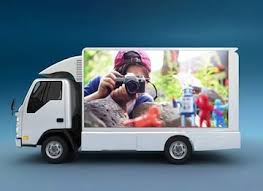
Using video vans as part of an election campaign can be a highly effective way to engage voters and spread your message. Video vans are vehicles equipped with screens that can display video content, advertisements, and other promotional materials. Here’s how to effectively utilize video vans for content spread throughout your campaign:
1. Content Creation for Video Vans
- Campaign Messages: Create short, impactful videos that convey your key messages, campaign promises, and the candidate’s vision. Keep videos concise (30-60 seconds) to maintain viewer attention.
- Candidate Introductions: Produce a video introducing the candidate, highlighting their background, values, and reasons for running. Personal stories can resonate well with voters.
- Issue-Focused Content: Develop videos that address specific issues relevant to the community (e.g., healthcare, education, infrastructure). Use statistics, testimonials, and visuals to make a compelling case.
- Event Highlights: Capture footage from campaign events, rallies, and town halls. Edit these into highlight reels to showcase community engagement and enthusiasm.
- Voter Education: Create informative videos explaining the voting process, including how to register, where to vote, and what to expect on election day.
2. Strategic Deployment of Video Vans
- High-Traffic Areas: Drive the video vans through busy streets, shopping districts, and community events to maximize visibility. Choose locations where your target audience is likely to be present.
- Event Participation: Set up video vans at local events, fairs, and festivals. Use the opportunity to engage with attendees, distribute pamphlets, and encourage them to watch the videos.
- Community Engagement: Park the vans in neighborhoods and invite residents to come and watch the content. Consider hosting mini-events or Q&A sessions with campaign volunteers or the candidate.
3. Interactive Features
- Live Streaming: Use the video van to live stream events, speeches, or town halls. This allows people who cannot attend in person to participate and engage with the campaign.
- QR Codes: Display QR codes on the video screens that link to the campaign website, social media pages, or specific content. This encourages viewers to learn more and engage further.
- Feedback Mechanism: Incorporate interactive elements, such as polls or surveys, where viewers can provide feedback on issues that matter to them.
4. Promotion and Marketing
- Social Media Integration: Promote the video van’s schedule and locations on social media. Encourage followers to visit the van and share their experiences online.
- Local Media Coverage: Reach out to local news outlets to cover the video van’s activities. This can help generate additional visibility and credibility for the campaign.
- Collaborations: Partner with local influencers or community leaders to promote the video van. Their endorsement can attract more viewers and enhance engagement.
5. Monitoring and Analytics
- Track Engagement: Use analytics tools to monitor how many people engage with the content displayed on the video vans. This can include tracking views, interactions, and feedback.
- Adjust Content: Based on viewer feedback and engagement metrics, adjust the content strategy to focus on what resonates most with the audience.
6. Follow-Up Strategies
- Post-Event Engagement: After the video van has visited a location, follow up with attendees through social media or email to thank them for their engagement and provide additional information about the campaign.
- Content Repurposing: Use footage from the video van activities to create additional content for social media, newsletters, or the campaign website.