
Key Benefits Of Choosing The Website Development Services!
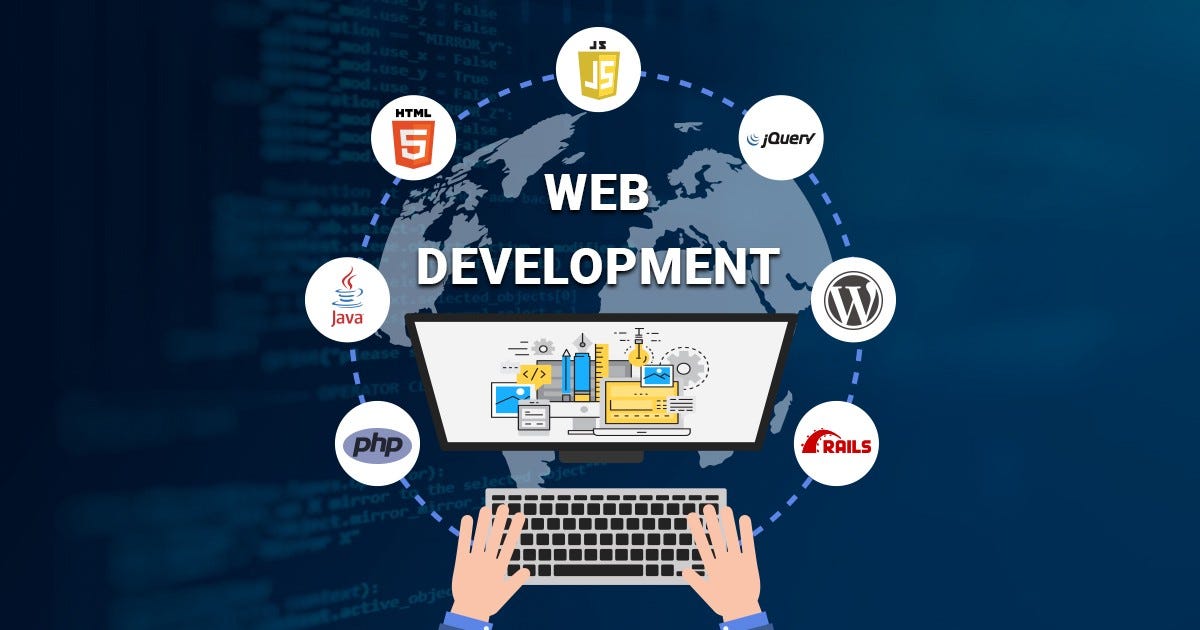
Website Development: Low-Cost, User-Friendly, SEO-Friendly Solutions Across Frameworks
Creating a website that is cost-effective, user-friendly, and optimized for search engines is essential for businesses looking to establish a strong online presence. Here’s a comprehensive guide to achieving these goals while ensuring compatibility with various frameworks.
1. Define Your Website Goals
Before starting the development process, clearly outline the goals of your website. Are you looking to sell products, provide information, or generate leads? Understanding your objectives will help guide the design and functionality of the site.
2. Choose the Right Framework
Selecting the right framework is crucial for building a website that is both cost-effective and scalable. Here are some popular frameworks that support low-cost development:
- WordPress:Ideal for blogs, portfolios, and small business websites. It offers a wide range of themes and plugins, making it easy to customize and optimize for SEO.
- Bootstrap:A front-end framework that allows for responsive design. It’s great for creating mobile-friendly websites quickly and efficiently.
- js:A JavaScript library for building user interfaces. It’s suitable for single-page applications and offers a dynamic user experience.
- Django:A high-level Python framework that encourages rapid development and clean design. It’s great for building complex web applications.
- Laravel:A PHP framework that provides a clean and elegant syntax. It’s suitable for building robust applications with a focus on security and performance.
3. Focus on User Experience (UI/UX)
A user-friendly interface is essential for keeping visitors engaged. Here are some tips to enhance UI/UX:
- Responsive Design:Ensure your website is mobile-friendly by using responsive design techniques. This allows your site to adapt to different screen sizes, improving accessibility.
- Intuitive Navigation:Create a clear and simple navigation structure. Use descriptive labels for menu items and ensure that users can easily find what they’re looking for.
- Fast Loading Times:Optimize images and minimize code to improve loading speeds. A fast website enhances user experience and can positively impact SEO.
- Consistent Branding:Use consistent colors, fonts, and styles throughout the website to create a cohesive brand identity.
4. Implement SEO Best Practices
To ensure your website is SEO-friendly, follow these best practices:
- Keyword Research:Identify relevant keywords for your industry and incorporate them naturally into your content, headings, and meta tags.
- Optimized Content:Create high-quality, informative content that addresses the needs of your audience. Use headings, bullet points, and images to break up text and improve readability.
- Meta Tags:Write compelling title tags and meta descriptions for each page. These elements help search engines understand your content and improve click-through rates.
- Alt Text for Images:Use descriptive alt text for images to improve accessibility and provide context for search engines.
- Internal Linking:Use internal links to connect related content on your site. This helps with navigation and encourages users to explore more pages.
5. Utilize Cost-Effective Tools and Resources
Leverage free or low-cost tools to enhance your website development process:
- Website Builders:Platforms like Wix, Squarespace, and Weebly offer user-friendly interfaces for building websites without coding knowledge.
- Free Themes and Templates:Use free or low-cost themes from platforms like WordPress or Bootstrap to save on design costs.
- SEO Tools:Utilize free tools like Google Analytics, Google Search Console, and Ubersuggest to monitor performance and optimize your site.
6. Test and Optimize
Once your website is live, continuously test and optimize it for performance:
- A/B Testing:Experiment with different layouts, colors, and content to see what resonates best with your audience.
- User Feedback:Gather feedback from users to identify areas for improvement. Use surveys or feedback forms to collect insights.
- Regular Updates:Keep your content fresh and relevant by regularly updating your website with new information, blog posts, or product offerings.
7. Monitor Performance
Use analytics tools to track your website’s performance:
- Traffic Analysis:Monitor visitor traffic, bounce rates, and user behavior to understand how users interact with your site.
- SEO Performance:Track keyword rankings and organic traffic to assess the effectiveness of your SEO efforts.
Conversion Rates: Analyze conversion rates to determine how well your website is achieving its goals, whether that’s generating leads or sales.